Day99 - passenger, passenger seat, train passenger, air passenger, passenger vehicle, passenger ferry, fellow passenger, paying passenger, through passenger, passenger terminal, passenger side

AI Audio Overview
passenger [ˈpæsɪndʒər] 탈것에 타고 이동하는 사람을 뜻하는 단어.
(명사) 승객, 탑승객
'passenger'는 기본적으로 "승객", "여객"이라는 뜻으로 쓰이며, 운송 수단(차, 기차, 비행기 등)을 타고 이동하는 사람 중 운전이나 조종을 하지 않는 사람을 의미합니다. 교통, 운송, 여행, 안전 관련 지문에서 핵심 단어로 등장합니다.
1. passenger seat (조수석)
- 해석: 운전석 바로 옆에 있는 좌석.
- 예문: He asked me to put the luggage on the passenger seat so he could easily reach it. (그는 쉽게 닿을 수 있도록 짐을 조수석에 두라고 요청했다.)
- 예문: The car's technology detects if there is a passenger seat occupant before activating the airbag. (그 자동차의 기술은 에어백을 작동시키기 전에 조수석에 탑승자가 있는지 감지한다.)
2. train passenger (기차 승객)
- 해석: 기차를 타고 이동하는 승객.
- 예문: The delay was announced to all train passengers waiting on the platform. (지연은 플랫폼에서 기다리는 모든 기차 승객들에게 공지되었다.)
3. air passenger (항공 승객)
- 해석: 비행기나 항공기를 타고 이동하는 승객. (항공 안전, 서비스 관련 지문에서 중요)
- 예문: Security regulations for air passengers have become significantly stricter since 2001. (항공 승객에 대한 보안 규정은 2001년 이후 현저히 엄격해졌다.)
4. passenger vehicle (승용차/승객용 차량)
- 해석: 상품 운송이 아닌, 사람 운송을 주 목적으로 하는 차량 (버스, 승용차 등). (상업용 차량과 대비)
- 예문: Traffic laws distinguish clearly between commercial trucks and passenger vehicles. (교통 법규는 상업용 트럭과 승객용 차량을 명확하게 구분한다.)
5. passenger ferry (여객선)
- 해석: 주로 사람(승객)을 수송하기 위해 설계된 선박.
- 예문: The passenger ferry provides a crucial link between the mainland and the remote islands. (여객선은 본토와 외딴 섬들을 잇는 중요한 연결고리 역할을 한다.)
6. fellow passenger (동승자/함께 탄 승객)
- 해석: 같은 교통수단을 타고 함께 이동하는 다른 승객.
- 예문: He struck up a conversation with a fellow passenger during the long bus ride. (그는 긴 버스 여행 동안 동승자와 대화를 시작했다.)
7. paying passenger (요금을 지불한 승객)
- 해석: 운송 서비스 이용 대가로 정식 요금을 지불한 승객 (무임 승차자와 대비).
- 예문: The rail company tracks the number of paying passengers to calculate revenue. (철도 회사는 수익 계산을 위해 요금을 지불한 승객의 수를 추적한다.)
8. through passenger (직행 승객/환승 없는 승객)
- 해석: 특정 역이나 중간 정차지에서 내리지 않고 목적지까지 한 번에 이동하는 승객.
- 예문: The crew asked the through passengers to remain seated while the train waited at the station. (승무원은 기차가 역에 정차하는 동안 직행 승객들에게 자리에 남아달라고 요청했다.)
9. passenger terminal (여객 터미널/승객 터미널)
- 해석: 공항, 항구, 또는 버스 정류장에서 승객이 탑승 및 하차를 위해 대기하고 수속을 밟는 시설.
- 예문: Long security lines were observed at the international passenger terminal during the holiday rush. (휴일 혼잡 기간 동안 국제 여객 터미널에서 긴 보안 검색 줄이 관찰되었다.)
10. passenger side (조수석 쪽/승객 쪽)
- 해석: 차량의 조수석이 위치한 쪽 (운전석 쪽과 대비).
- 예문: Check the mirrors on the passenger side before merging onto the motorway. (고속도로에 합류하기 전에 조수석 쪽 거울을 확인하세요.)

대한민국 입시 주요 POINT
'passenger'는 교통 안전, 운송 서비스의 질, 그리고 대중교통의 역할을 다루는 사회, 경제, 기술 지문에서 핵심적으로 활용됩니다.
1. 안전과 규제의 중요성 (Air Passenger / Passenger Vehicle)
- air passenger 관련 논의는 항공 안전(aviation safety)과 보안(security) 규정의 중요성을 강조합니다. 기술 발전이 승객의 편의성을 높이는 동시에, 안전 조치를 소홀히 해서는 안 된다는 논리가 자주 제시됩니다.
- passenger vehicle은 도로 안전과 교통 법규 준수의 맥락에서 다뤄집니다.
2. 운송 시스템의 효율성과 서비스 질
- train passenger나 passenger terminal 관련 지문은 운송 시스템이 승객에게 제공해야 하는 서비스의 질(quality of service)과 효율성(efficiency)을 논합니다. 특히 승객의 대기 시간 단축, 쾌적한 환경 제공 등이 주요 논점이 됩니다.
3. 승객의 역할과 책임 (Fellow Passenger / Paying Passenger)
- fellow passenger 관련 논의는 공공 공간(public space)에서의 에티켓(etiquette)과 타인에 대한 배려를 강조합니다. paying passenger는 운송 서비스의 경제적 주체로서, 요금을 지불한 대가로 정당한 서비스를 요구할 권리를 가집니다.

passenger [ˈpæsɪndʒər] 교통수단을 이용하는 사람
핵심 뜻
- (명사) 승객, 탑승객: 차량, 항공기, 기차, 선박 등 교통수단을 운전하지 않고 타고 가는 사람.
- (명사) (여행의) 일행, 동승자: 함께 여행하거나 이동하는 사람.

단어별 뉘앙스, 의미 연결 흐름
단어 어원적 의미 핵심 뉘앙스 현대적 의미 연결 흐름
| passenger | 구 프랑스어 passager (통행인, 여행자) → passer (지나가다) | 돈을 지불하고 운송 수단을 이용하는 통행인. | '통행인' (지나가는 사람) → '승객' (운송 수단을 이용) → '탑승객' (특정 차량에 타고 감) |
품사별 의미와 쉬운 예문
품사 의미 쉬운 예문 해석
| 명사 | 승객, 탑승객 | All passengers must wear seatbelts. | 모든 승객은 안전벨트를 착용해야 한다. |
| 명사 | (여행의) 일행, 동승자 | She was the only passenger in the taxi. | 그녀는 그 택시의 유일한 승객이었다. |
활용 예문
- The train conductor checked the tickets of every passenger. (기차 차장은 모든 승객의 표를 확인했다.)
- Passengers are kindly requested to remain seated during takeoff. (탑승객들은 이륙 중 자리에 앉아 계시기를 요청받습니다.)
- He was a frequent passenger on the early morning flight to Seoul. (그는 서울행 아침 비행기의 잦은 승객이었다.)
- The accident caused minor injuries to some of the passengers. (그 사고는 일부 승객들에게 경미한 부상을 입혔다.)
- Is the price per passenger or per vehicle? (가격은 탑승객 당인가요, 아니면 차량 당인가요?)

전체 뉘앙스 설명
'passenger'는 명사로서 '운전이나 조종과 같은 작동 책임을 맡지 않고 이동의 목적으로 교통수단에 탑승하는 사람'이라는 핵심 뉘앙스를 가집니다. 이는 운송 서비스의 주된 이용자를 의미하며, 'driver'나 'pilot'과 같은 운전 주체와는 구별됩니다. '안전'과 '서비스'와 관련된 맥락에서 자주 사용됩니다. 핵심적으로 '운송 서비스의 이용자'를 나타내는 단어입니다.
마지막 핵심 정리
‘passenger’는 차량, 항공기, 기차, 선박 등 교통수단을 운전하지 않고 타고 가는 사람인 승객, 탑승객이거나, 함께 여행하거나 이동하는 사람인 일행, 동승자를 의미합니다.
파생어 (발음 포함)
- passengering [ˌpæsɪndʒərɪŋ] (명사: 승객 수송 행위)
- passage [ˈpæsɪdʒ] (명사: 통로, 통과, 통행 - 어원적 관련)
- pass [pæs] (동사: 지나가다, 통과하다 - 어원적 관련)

유의어 비교 (깔끔하게 표로 정리)
단어 발음 핵심 뜻 차이점
| fare | [fer] | 승객 (운송 서비스 요금) | 운송 수단 이용 요금. 'passenger'가 '사람'이라면, 'fare'는 '비용'. |
| rider | [ˈraɪdər] | 탑승자 (특히 버스, 지하철 등 대중교통) | 탈것에 타고 가는 사람. 'passenger'보다 '말, 자전거 등 개인이 타는 것'에도 폭넓게 쓰임. |
| commuter | [kəˈmjuːtər] | 통근자 (정기적으로 일터/집을 오가는 사람) | 정기적으로 통근하는 사람. 'passenger'가 '일반적인 이용자'라면, 'commuter'는 '목적이 통근'에 한정. |
| customer | [ˈkʌstəmər] | 고객 (상품이나 서비스를 구매하는 사람) | 상품 구매의 일반적인 주체. 'passenger'는 '운송 서비스' 이용에 특화. |
| traveler | [ˈtrævələr] | 여행객 (이동하는 사람) | 이동하는 행위 전반에 초점. 'passenger'는 '운송 수단 이용에 특화'. |
| driver | [ˈdraɪvər] | 운전자 (차량을 조작하는 사람) | 차량의 조작 주체. 'passenger'의 반대 개념. |
| pilot | [ˈpaɪlət] | 조종사 (항공기를 조작하는 사람) | 항공기의 조작 주체. 'passenger'의 반대 개념. |
| crew | [kruː] | 승무원 (운송 수단의 운영을 담당하는 사람) | 운송 수단의 운영과 서비스를 담당하는 사람. 'passenger'와는 역할이 다름. |
유의어 예문 (해석 포함)
- The train fare increased this month. (기차 요금이 이번 달에 올랐다.)
- Bicycle riders must follow the traffic laws. (자전거 탑승자들은 교통 법규를 준수해야 한다.)
- The subway is crowded with commuters during rush hour. (지하철은 러시아워 동안 통근자들로 붐빈다.)
- The store offers good service to its customers. (그 상점은 고객들에게 좋은 서비스를 제공한다.)
- Travelers often share their experiences online. (여행객들은 종종 온라인에서 경험을 공유한다.)
- The bus driver carefully navigated the narrow street. (버스 운전자가 좁은 거리를 조심스럽게 운전했다.)
- The airplane pilot announced the flight details. (비행기 조종사가 비행 상세 정보를 발표했다.)
- The flight crew provided excellent service. (비행 승무원들이 훌륭한 서비스를 제공했다.)
결론 정리
‘passenger’는 차량, 항공기, 기차, 선박 등 교통수단을 운전하지 않고 타고 가는 사람인 승객, 탑승객이거나, 함께 여행하거나 이동하는 사람인 일행, 동승자를 의미합니다.

passenger [ˈpæsɪndʒər]
(명사) 승객, 탑승객
'운송'(transport) 수단(means) (예: 기차, 비행기, 버스, 배)을 '이용'(use)하여 '이동'(movement)하는 사람을 의미합니다. '운전사'(driver)나 '조종사'(pilot)처럼 '차량'이나 '선박'을 '운행'(operate)하는 '승무원'(crew)과는 달리, '수송'의 '대상'이자 '서비스'(service)의 '수혜자'라는 개념에 초점이 맞춰집니다.
- The train passenger reported the loud noise in the next compartment. (기차 승객은 옆 칸에서 나는 시끄러운 소음을 신고했다.)
- The manager asked the airline to provide damage compensation for the delayed passengers. (관리자는 항공사에게 지연된 승객들을 위한 피해 배상금을 제공하도록 요청했다.)
- The security officer checked the luggage of every air passenger. (보안 담당자는 모든 항공 승객의 짐을 확인했다.)
- The captain ensured the safe passage of all passengers during the storm. (선장은 폭풍 동안 모든 승객의 안전한 통행을 보장했다.)

train passenger [treɪn ˈpæsɪndʒər]
(명사) 열차 승객
'기차'(train)나 '지하철'과 같은 '철도' '운송' 수단을 '이용'하여 '여행'(travel)하거나 '통근'(commute)하는 사람을 의미합니다. '승차권'(ticket)을 구매하고 '좌석'(seat)을 점유하는 '특정' '교통' 수단의 '이용자'를 명확히 합니다.
- The train passenger complained about the lack of heating in the cold weather. (열차 승객은 추운 날씨에서의 난방 부족에 대해 불평했다.)
- The manager said a loud conversation is bad manners for a train passenger. (관리자는 시끄러운 대화는 열차 승객에게 나쁜 예의라고 말했다.)
- The police officer asked the train passenger to show his ID card. (경찰관은 열차 승객에게 자신의 신분증을 보여달라고 요청했다.)
- I was happy to be a train passenger and not have to drive in the morning commute. (나는 아침 통근 길에 운전할 필요 없이 열차 승객이 되어 기뻤다.)

air passenger [ɛər ˈpæsɪndʒər]
(명사) 항공기 승객
'비행기'(plane)와 같은 '항공'(air) 수단을 '이용'(use)하여 '이동'(movement)하는 사람을 의미합니다. '공항'(airport) '보안'(security) 규정(regulation)과 '장거리'(long-distance) '여행'(travel)의 '경험'(experience)에 초점이 맞춰집니다.
- The air passenger was warned about the danger of losing control during the flight. (항공기 승객은 비행 동안 통제력을 잃는 것의 위험에 대해 경고받았다.)
- The customs officer checked the declaration forms of all air passengers. (세관 담당자는 모든 항공기 승객의 신고서를 확인했다.)
- The manager said the airline must ensure the safety of every air passenger. (관리자는 항공사가 모든 항공기 승객의 안전을 보장해야 한다고 말했다.)
- The law provides specific rights for air passengers in the event of a delay. (법은 지연이 발생하는 경우 항공기 승객을 위한 특정 권리를 제공한다.)

passenger vehicle [ˈpæsɪndʒər ˈviːɪkəl]
(명사) 승용차, 승객 수송 차량
'물품'(goods)이나 '화물'(cargo)이 아닌, '사람'(person) 즉 '승객'(passenger)을 '운송'(transport)하는 것을 '주된'(main) '목적'(purpose)으로 '설계'(design)된 '차량'(vehicle)을 의미합니다. '안전'(safety)과 '편안함'(comfort)에 초점이 맞춰집니다.
- The engineer designed a new safety system for passenger vehicles. (엔지니어는 승객 수송 차량을 위한 새로운 안전 시스템을 설계했다.)
- The police officer pulled over the passenger vehicle for speeding. (경찰관은 속도 위반으로 승객 수송 차량을 길가에 대도록 했다.)
- The judge said the law must ensure the safe operation of all passenger vehicles. (판사는 법이 모든 승객 수송 차량의 안전한 운영을 보장해야 한다고 말했다.)
- The manager said the delivery truck is not a passenger vehicle and cannot carry employees. (관리자는 배달 트럭은 승객 수송 차량이 아니며 직원을 태울 수 없다고 말했다.)

passenger ferry [ˈpæsɪndʒər ˈferi]
(명사) 여객선, 승객 페리선
'바다'(sea)나 '강'(river)을 '횡단'하며, '화물'(cargo) 대신 '주로'(main) '승객'(passenger)을 '수송'(transport)하는 '선박'(ship)을 의미합니다. '항구'(port)나 '해안'(coast) 간의 '정기적인'(regular) '이동'(movement) 수단에 초점이 맞춰집니다.
- The passenger ferry was delayed by one hour due to rough seas. (여객선은 거친 바다 때문에 한 시간 만큼 지연되었다.)
- The coast guard is responsible for the safety inspection of the passenger ferry. (해안 경비대는 여객선의 안전 점검에 책임이 있다.)
- The manager said traveling by passenger ferry is a cost-effective option for the long journey. (관리자는 여객선으로 여행하는 것이 긴 여정에 비용 효율적인 선택지라고 말했다.)
- The engineer found a minor fault in the engine of the passenger ferry. (엔지니어는 여객선의 엔진에서 경미한 결함을 발견했다.)
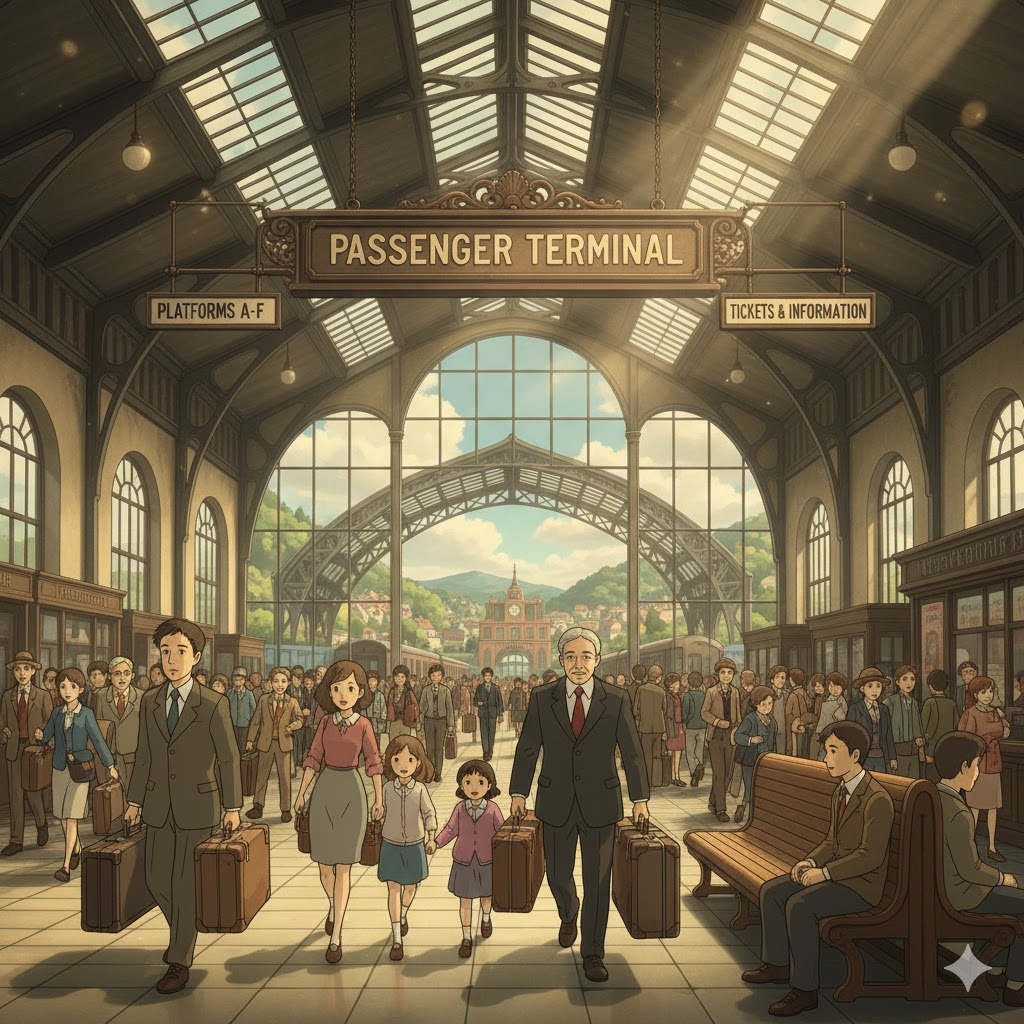
passenger terminal [ˈpæsɪndʒər ˈtɜːrmɪnl]
(명사) 여객 터미널, 승객 터미널
'비행기'(plane), '기차'(train), 또는 '여객선'(passenger ferry)과 같은 '운송' 수단을 '이용'(use)하는 '승객'(passenger)들이 '도착'(arrive), '출발'(leave), 또는 '대기'(wait)하는 '공항'(airport)이나 '역'의 '주요'(main) '건물'(building)이나 '시설'을 의미합니다. '편의'(convenience)와 '이동'(movement) '효율성'(efficiency)에 초점이 맞춰집니다.
- We arrived at the passenger terminal two hours before our scheduled delivery time. (우리는 예정된 배달 시간 2시간 전에 여객 터미널에 도착했다.)
- The manager said the new passenger terminal will increase the number of daily flights. (관리자는 새로운 여객 터미널이 일일 항공편 수를 늘릴 것이라고 말했다.)
- The security officer is responsible for maintaining order in the passenger terminal. (보안 담당자는 여객 터미널의 질서를 유지할 책임이 있다.)
- I waited in the terminal hall for hours due to the long delay. (나는 긴 지연 때문에 터미널 홀에서 몇 시간 동안 기다렸다.)
passenger, train passenger, air passenger, passenger vehicle, passenger ferry, passenger terminal
(명사) 승객, 탑승객 , (숙어) 기차/항공 승객, 승용차/여객선, 여객 터미널
'passenger'는 '운송 수단을' '운전하지 않고' '탑승하여 이동하는 사람'을 의미하는 가장 기본적인 단어입니다. 'train passenger'와 'air passenger'는 각각 '기차'와 '항공기'라는 '이용하는 교통수단'을 명시합니다. 'passenger vehicle'과 'passenger ferry'는 '사람을 태우기 위해 만들어진' '운송 수단의 종류'를, 'passenger terminal'은 '승객의 승하차 및 수속을 위한' '공간'을 의미합니다.
- All passengers must wear their seat belts. (모든 승객은 안전벨트를 착용해야 한다.)
- Train passengers should keep their belongings close. (기차 승객들은 소지품을 가까이 두어야 한다.)
- The airline offered compensation to the delayed air passengers. (항공사는 지연된 항공 승객들에게 보상을 제공했다.)
- A minivan is a common passenger vehicle. (미니밴은 흔한 승용차이다.)
- The passenger ferry sails between the two islands daily. (여객선은 매일 두 섬 사이를 운항한다.)
- We waited for the bus at the passenger terminal. (우리는 여객 터미널에서 버스를 기다렸다.)
- Air passengers must arrive at the gate one hour before departure. (항공 승객들은 출발 한 시간 전에 탑승구에 도착해야 한다.)
- The city built a new passenger terminal for the cruise ships. (시는 유람선을 위한 새로운 여객 터미널을 건설했다.)
핵심 뜻
승객, 탑승객. 운송 수단을 이용하는 사람 및 그와 관련된 시설이나 차량.
| passenger | 승객, 탑승객 | 명사로, '피운송인'. | '운전' '을' '담당' '하지' '않고' '수송' '되는' '사람' '임을' '나타내는' '기본' '개념'. |
| train/air | 기차/항공 | 형용사로, '운송' '수단'. | '이용하는' '교통' '수단' '의' '종류' '를' '명시함'. |
| vehicle/ferry | 차량/나룻배 | 명사로, '운송' '목적'. | '사람' '을' '수송' '하는' '것이' '주된' '목적' '인' '차량' '이나' '선박' '임을' '나타냄'. |
| terminal | 터미널 | 명사로, '시설'. | '승객' '이' '타고' '내리거나' '수속' '을' '밟는' '장소' '임을' '나타냄'. |
비슷한 어휘 깔끔하게 표로 정리하고 밑에 예문,해석 하나씩 나열하기
| commuter | 통근자 |
| client | (운송) 고객 |
| carrier | 운송 수단, 항공사 |
commuter
예문: The train is crowded with commuters during rush hour.
해석: 기차는 러시아워 동안 통근자들로 붐빈다.
client
예문: The bus company values its clients.
해석: 그 버스 회사는 고객들을 소중히 여긴다.
carrier
예문: Which carrier are you flying with?
해석: 어느 항공사를 이용하세요?
결론 정리
'passenger'는 운송 수단을 이용하는 사람을 의미하며, 관련 숙어들은 이용하는 '수단', '시설', '목적'을 구체화합니다.

passenger seat [ˈpæsɪndʒər siːt]
(명사) 조수석, 승객 좌석
차량(vehicle)이나 비행기(plane)에서 운전사(driver)나 조종사(pilot)가 아닌, 승객(passenger)이 '앉도록' '설계'(design)된 좌석(seat)을 의미합니다. 특히 자동차에서는 운전석(driver seat) 옆의 '조수석'을 지칭할 때 주로 사용됩니다.
- The manager asked the junior staff to ride in the passenger seat to help him navigate. (관리자는 하급 직원에게 내비게이션을 돕도록 조수석에 타라고 요청했다.)
- I left my briefcase on the passenger seat of my car by mistake. (나는 실수로 서류 가방을 자동차 조수석에 남겨두었다.)
- The police officer noticed a strange object lying on the passenger seat. (경찰관은 조수석에 놓여 있는 이상한 물체를 발견했다.)
- The judge ruled that the injury to the passenger seat occupant was the most severe. (판사는 조수석 탑승자의 부상이 가장 심각했다고 판결했다.)

passenger side [ˈpæsɪndʒər saɪd]
(명사) 조수석 쪽, 승객 쪽
차량(vehicle)의 '운전석'(driver side)과 '반대'되는 '쪽'(side)을 의미합니다. '승객'(passenger)이 타고 내리거나 짐(luggage)을 싣는 '차량'(vehicle)의 '측면'을 나타낼 때 사용됩니다.
- The driver pulled over the vehicle to the side of the road to check the tire on the passenger side. (운전자는 조수석 쪽 타이어를 확인하기 위해 차량을 길가에 댔다.)
- The lawyer said the main damage to the car was sustained on the passenger side. (변호사는 자동차의 주요 손상은 조수석 쪽에서 입었다고 말했다.)
- The engineer explained that the entry point for the fuel is on the passenger side of the truck. (엔지니어는 연료 주입구가 트럭의 승객 쪽에 있다고 설명했다.)
- I asked my friend to drop me off at the main entrance, so I could get out on the passenger side easily. (나는 친구에게 주 출입구에 내려달라고 요청해서 조수석 쪽으로 쉽게 내릴 수 있도록 했다.)
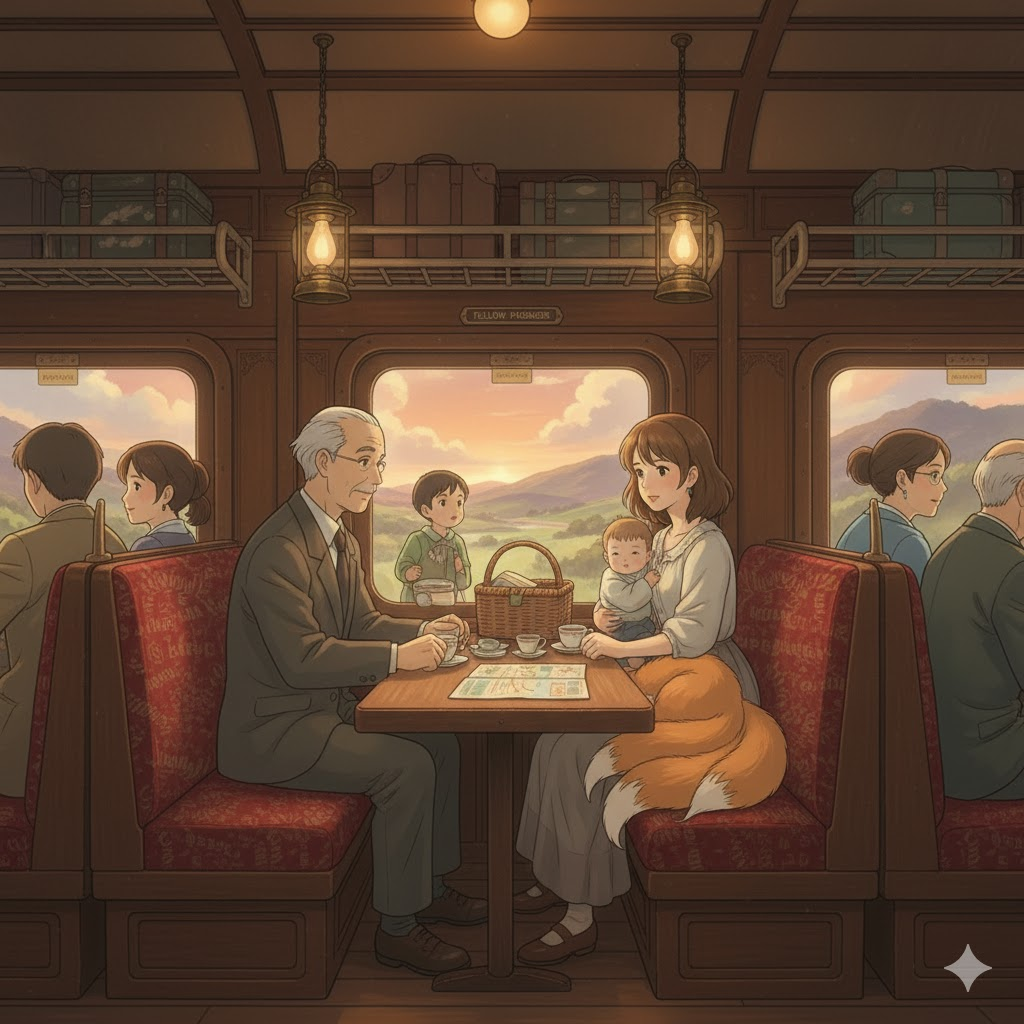
fellow passenger [ˌfelou ˈpæsɪndʒər]
(명사) 동행 승객, 함께 탄 승객
'같은'(same) '운송'(transport) 수단(means) (예: 비행기, 기차)을 타고 '함께'(together) '여행'(travel)하거나 '이동'(movement)하는 다른 '승객'(passenger)을 의미합니다. '긴'(long) '여정'(journey)이나 '제한된'(limited) '공간'(space)에서의 '상호작용'(interaction)이나 '배려'(consideration)가 중요해집니다.
- The manager had a casual conversation with a fellow passenger about the rising cost of living. (관리자는 생활비 상승에 대해 동행 승객과 가벼운 대화를 나누었다.)
- The train passenger complained about the loud noise made by a fellow passenger. (열차 승객은 동행 승객이 낸 시끄러운 소음에 대해 불평했다.)
- I asked a fellow passenger to keep an eye on my luggage while I went to the restroom. (나는 화장실에 간 동안 짐을 지켜봐 달라고 동행 승객에게 요청했다.)
- The doctor advised the air passengers to show kindness to their fellow passengers during the long flight. (의사는 항공기 승객들에게 긴 비행 동안 동행 승객들에게 친절을 베풀라고 조언했다.)

paying passenger [ˈpeɪɪŋ ˈpæsɪndʒər]
(명사) 요금을 지불한 승객
'운송'(transport) 수단(means)을 이용하는 대가(cost)로 '정식'(formal)으로 '요금'(fare)이나 '티켓' 비용을 '지불'(pay)한 '승객'(passenger)을 의미합니다. '무임승차'(free ride) 승객이나 '승무원'(crew)과 대비되며, '서비스'(service)를 '제공'(provide)받을 '권리'(right)가 있는 '고객'(customer)의 지위를 강조합니다.
- The judge ruled that the company must ensure the safety of every paying passenger. (판사는 회사가 요금을 지불한 모든 승객의 안전을 보장해야 한다고 판결했다.)
- The manager said the airline's primary duty is to protect the rights of paying passengers. (관리자는 항공사의 주된 의무는 요금을 지불한 승객의 권리를 보호하는 것이라고 말했다.)
- The security officer checked the tickets to make sure everyone was a paying passenger. (보안 담당자는 모두가 요금을 지불한 승객인지 확인하기 위해 티켓을 확인했다.)
- I felt better being a paying passenger, knowing I had the right to complain about the delay. (나는 지연에 대해 불평할 권리가 있다는 것을 알고 요금을 지불한 승객인 것이 더 좋았다.)

through passenger [θruː ˈpæsɪndʒər]
(명사) 직행 승객, 통과 승객
'여행'(travel) 경로(route)의 '중간'(middle) '경유지'(layover)에서 '내리지'(stop off) 않고, '최종'(final) '목적지'(destination)까지 '직접'(directly) '이동'(movement)하는 '승객'(passenger)을 의미합니다. '환승'(transfer) 없이 '계속'(continue) '탑승'하는 '이동'(movement)의 '효율성'(efficiency)을 강조합니다.
- The flight attendant asked the through passengers to remain in their seats during the brief stopover. (승무원은 짧은 경유지 체류 동안 직행 승객들에게 자리에 남아있으라고 요청했다.)
- The manager said the train would not stop at the small station for through passengers. (관리자는 직행 승객들을 위해 기차가 작은 역에 정차하지 않을 것이라고 말했다.)
- The customs officer only checked the luggage of the passengers who were not through passengers. (세관 담당자는 직행 승객이 아닌 승객들의 짐만 확인했다.)
- I prefer to be a through passenger to avoid the hassle of switching planes. (나는 비행기를 갈아타는 번거로움을 피하기 위해 직행 승객이 되는 것을 더 좋아한다.)
passenger seat, passenger side, fellow passenger, paying passenger, through passenger
(숙어) 조수석, 조수석 쪽, 동료 승객, 요금을 낸 승객, 환승 승객
이 표현들은 '승객의 좌석 위치', '함께 이동하는 사람', '요금 지불 여부', '이동 방식'을 나타냅니다. 'passenger seat'과 'passenger side'는 운전자가 아닌 '다른 사람이 앉는' '조수석'과 그 '방향'을 의미합니다. 'fellow passenger'는 '같은 교통수단에 탄' '다른 승객'을 의미합니다. 'paying passenger'는 '무료가 아닌' '정식으로 요금을 지불한 승객'을, 'through passenger'는 '중간 경유지 없이' '최종 목적지까지 가는' 승객을 뜻합니다.
- Please sit in the passenger seat. (조수석에 앉으세요.)
- I found my wallet on the passenger side of the car. (차의 조수석 쪽에서 지갑을 찾았다.)
- I had a pleasant conversation with a fellow passenger on the train. (기차에서 동료 승객과 즐거운 대화를 나눴다.)
- The airline only provided food for paying passengers. (그 항공사는 요금을 낸 승객들에게만 음식을 제공했다.)
- This flight is full of through passengers heading to the final destination. (이 항공편은 최종 목적지로 향하는 환승 승객들로 가득하다.)
- He let his friend sit in the passenger seat for better views. (그는 더 좋은 경치를 위해 친구를 조수석에 앉혔다.)
- She shared her snacks with a polite fellow passenger. (그녀는 예의 바른 동료 승객과 간식을 나누었다.)
- The airline prioritized paying passengers during the booking process. (그 항공사는 예약 과정에서 요금을 낸 승객들을 우선시했다.)
핵심 뜻
승객의 위치와 특성. 좌석의 위치, 동반 여부, 요금 지불, 여행 경로.
| seat/side | 좌석/쪽 | 명사로, '위치' '와' '방향'. | '차량' '내' '에서' '운전자' '가' '아닌' '사람' '이' '앉는' '위치' '를' '나타냄'. |
| fellow | 동료의 | 형용사로, '동행'. | '같은' '운송' '수단' '을' '함께' '이용' '하는' '사람' '임을' '나타냄'. |
| paying | 돈을 내는 | 형용사로, '금전' '적' '지불'. | '서비스' '에' '대한' '정당한' '대가를' '지불' '했음' '을' '강조함'. |
| through | 끝까지 | 형용사로, '경로'. | '중간' '경유지' '없이' '최종' '목적지' '까지' '이동' '하는' '승객' '임을' '나타냄'. |
비슷한 어휘 깔끔하게 표로 정리하고 밑에 예문,해석 하나씩 나열하기
| co-pilot seat | 조종사 옆 좌석 (비유적) |
| companion | 동반자 |
| fare-paying passenger | 운임을 지불한 승객 |
co-pilot seat
예문: I was nervous sitting in the co-pilot seat.
해석: 나는 조종사 옆 좌석에 앉아 긴장했다.
companion
예문: He enjoyed the trip with his travel companion.
해석: 그는 여행 동반자와 함께 여행을 즐겼다.
fare-paying passenger
예문: The bus only accepts fare-paying passengers.
해석: 그 버스는 운임을 지불한 승객만 태운다.
결론 정리
이 표현들은 승객의 '차량 내 위치', '함께하는 관계', '요금 지불 여부', '여행 경로'라는 다양한 측면을 나타냅니다.
