| 일 | 월 | 화 | 수 | 목 | 금 | 토 |
|---|---|---|---|---|---|---|
| 1 | 2 | 3 | 4 | 5 | 6 | |
| 7 | 8 | 9 | 10 | 11 | 12 | 13 |
| 14 | 15 | 16 | 17 | 18 | 19 | 20 |
| 21 | 22 | 23 | 24 | 25 | 26 | 27 |
| 28 | 29 | 30 |
- Right?
- please.
- please?
- By The Way
- oh
- Show Up
- Please
- come up with
- Sure
- Read between the lines
- well
- no
- I'm sorry
- Hey
- get through
- too.
- hold on
- work out
- entrance fee
- OKay
- Yeah
- Don't worry
- make it
- Actually
- Sorry
- Excuse me
- set up
- I'm glad to hear that.
- Yes
- pick up
- Today
- Total
인과함께
Day424 , whether, whether or not, whether to, it depends on whether, regardless of whether, wonder whether, debate whether, whether A or B, uncertain whether, question whether, decide whether 본문
Day424 , whether, whether or not, whether to, it depends on whether, regardless of whether, wonder whether, debate whether, whether A or B, uncertain whether, question whether, decide whether
미인생 2026. 5. 24. 07:24
whether [ˈweðər]
(접속사/전치사) ~인지 아닌지, ~이든 아니든
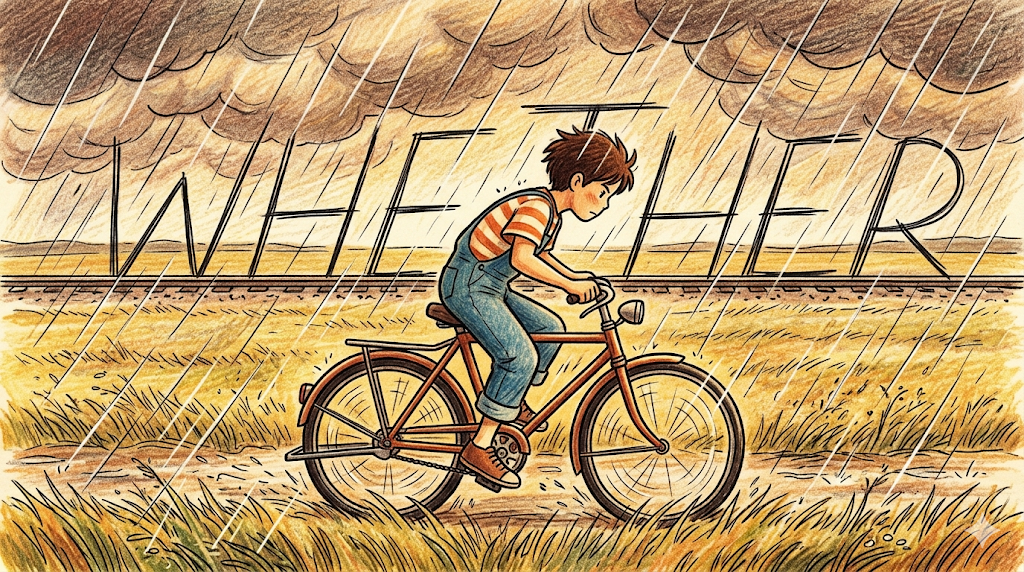
"I don't care whether or not it rains tomorrow."
(나는 내일 비가 오든 안 오든 상관하지 않는다.)
'whether'를 단순히 "~인지"로만 외우면 수능에서 반드시 틀립니다.
whether는 "두 가지 가능성이나 선택 중 어느 것이 사실인지 또는 어떤 것을 선택해야 할지 불확실한 상황을 나타내는 것" 이라는 핵심 이미지에서 출발해, 간접 의문문·조건의 양면성·선택의 불확실성·논쟁의 핵심까지 폭넓게 쓰이는 핵심 다기능 단어입니다. 특히 whether(두 가지 가능성 사이의 불확실성) vs. if(가정이나 조건) vs. although(반대되는 사실 인정) 의 뉘앙스 차이, whether or not(~이든 아니든 상관없이), it depends on whether(~인지에 달려있다) 패턴은 수능 독해 사회·심리·역사·과학 지문에서 핵심적으로 등장합니다.
'whether'는 고대 영어 hwæðer(어느 쪽이, 둘 중 어느 것이)에서 유래했으며, 게르만어 hwaþeraz(둘 중 어느 것)에 뿌리를 두고 있습니다. 어원의 핵심 이미지는 "두 가지 가능성 중 어느 것인지를 결정하지 못한 상태" 로, 단순한 의문이 아닌 두 방향 중 어느 쪽이 옳은지 판단하지 못한 불확실성과 선택의 양면성의 이미지가 이 단어의 본질입니다.
1. whether or not [ˈweðər ɔːr nɒt]
(접속사구/수능) "~이든 아니든, ~에 관계없이"를 뜻합니다. 어떤 조건이나 상황에 관계없이 결과가 같음을 강조합니다. 수능 독해 사회·심리·역사·교육 지문의 핵심 표현입니다.
She was determined to finish the marathon whether or not the weather was good, having trained for months to prepare for exactly this kind of challenge. (그녀는 날씨가 좋든 나쁘든 상관없이 마라톤을 완주하기로 결심했으며 바로 이런 종류의 도전을 준비하기 위해 몇 달 동안 훈련했다.)
2. whether to [ˈweðər tuː]
(접속사구/수능) "~할지 말지, ~해야 할지"를 뜻합니다. 어떤 행동을 할지 말지 결정하지 못한 상태를 강조합니다. 수능 독해 심리·사회·교육·역사 지문의 핵심 표현입니다.
She spent a long time thinking about whether to accept the job offer in another city or stay close to her family and friends. (그녀는 다른 도시의 취업 제안을 받아들일지 아니면 가족과 친구들 가까이 있을지를 생각하는 데 할지 말지 오랜 시간을 보냈다.)
3. it depends on whether [ɪt dɪˈpendz ɒn ˈweðər]
(접속사구/수능) "~인지에 달려있다, ~인지에 따라 다르다"를 뜻합니다. 결과나 판단이 어떤 조건에 따라 달라짐을 강조합니다. 수능 독해 과학·사회·경제·심리 지문의 핵심 표현입니다.
It depends on whether the government decides to fund the project or not — without public money, the plan simply cannot go ahead. (그 계획이 진행될 수 있는지는 정부가 프로젝트에 자금을 지원하기로 결정하느냐 아니냐에 달려있다 — 공적 자금 없이는 계획이 단순히 진행될 수 없다.)
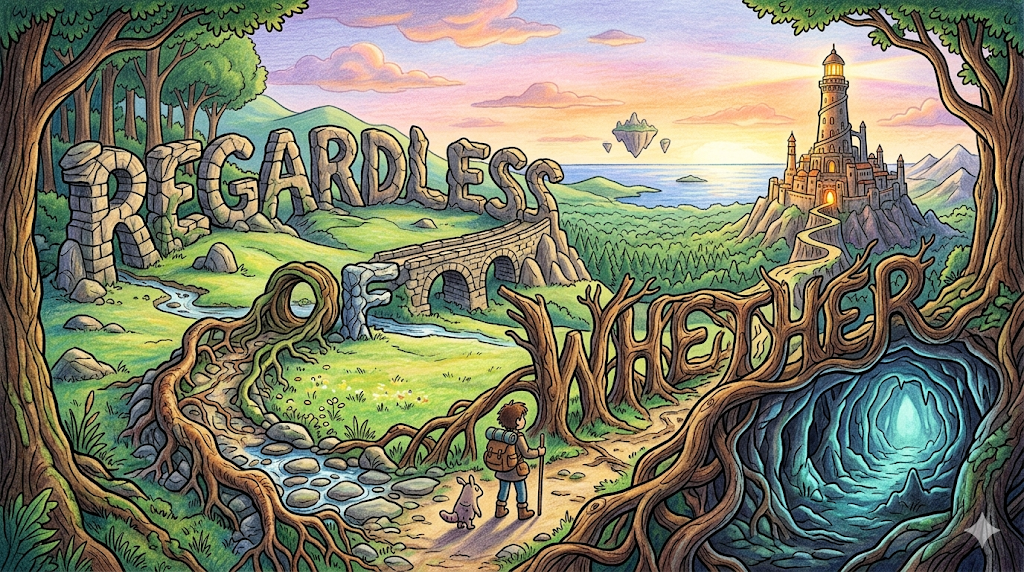
4. regardless of whether [rɪˈɡɑːrdləs əv ˈweðər]
(접속사구/수능) "~인지 아닌지에 상관없이"를 뜻합니다. 어떤 조건이나 상황의 결과에 관계없이 어떤 것이 사실이거나 적용된다는 것을 강조합니다. 수능 독해 사회·역사·교육·심리 지문의 핵심 표현입니다.
Every student should be treated with respect and given equal opportunities regardless of whether they are the top of the class or struggling with their studies. (모든 학생은 반에서 1등이든 아니면 학업에 어려움을 겪고 있든 상관없이 존중받고 평등한 기회를 받아야 한다.)
5. wonder whether [ˈwʌndər ˈweðər]
(동사구/수능) "~인지 궁금하다, ~인지 생각해보다"를 뜻합니다. 어떤 것이 사실인지 아닌지에 대해 확신이 없어 생각하거나 궁금해하는 것을 강조합니다. 수능 독해 심리·문학·사회·역사 지문에서 자주 등장합니다.
She sometimes wonders whether all the effort she puts into her work is actually making a difference to the people she is trying to help. (그녀는 자신이 일에 쏟는 모든 노력이 실제로 도우려는 사람들에게 변화를 만들고 있는지 궁금할 때가 있다.)
6. debate whether [dɪˈbeɪt ˈweðər]
(동사구/수능) "~인지 토론하다, ~인지 논쟁하다"를 뜻합니다. 어떤 것이 사실인지 또는 옳은지에 대해 공식적으로 논쟁하거나 토론하는 것을 강조합니다. 수능 독해 역사·사회·과학·교육 지문의 핵심 표현입니다.
Philosophers have long debated whether happiness is the ultimate goal of human life or whether there are things that matter more than personal happiness. (철학자들은 오랫동안 행복이 인간 삶의 궁극적인 목표인지 아니면 개인적 행복보다 더 중요한 것들이 있는지를 논쟁해왔다.)
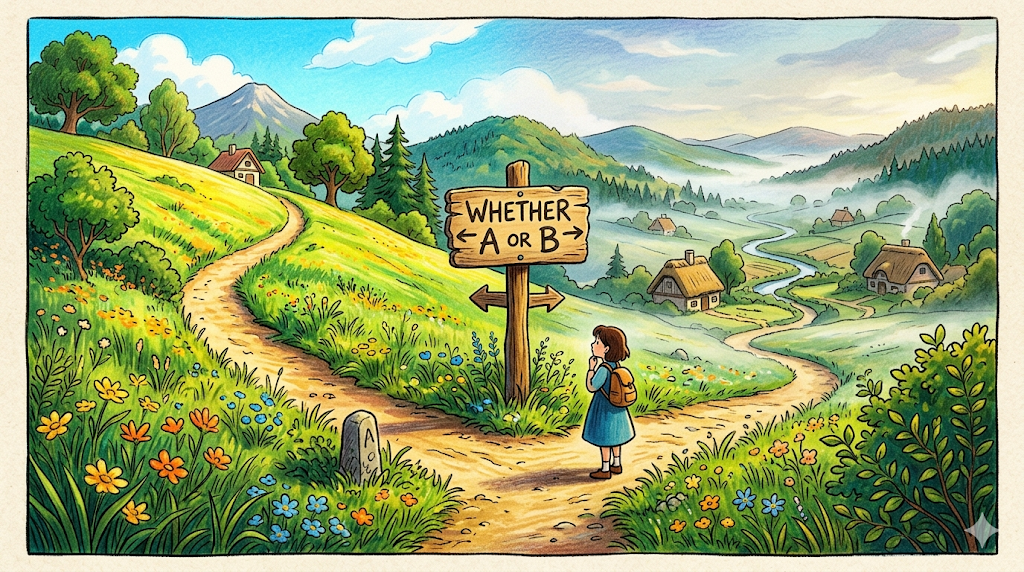
7. whether A or B [ˈweðər eɪ ɔːr biː]
(접속사구/수능) "A이든 B이든"을 뜻합니다. 두 가지 가능성이나 선택지를 모두 포함하는 것을 강조합니다. 수능 독해 모든 지문에서 핵심적으로 등장합니다.
Whether you agree with his methods or not, you have to admit that he achieved results that nobody else had managed to produce in ten years of trying. (당신이 그의 방법에 동의하든 아니든 당신은 그가 10년의 시도에서 다른 누구도 만들어내지 못한 결과를 달성했다는 것을 인정해야 한다.)
8. uncertain whether [ʌnˈsɜːrtən ˈweðər]
(형용사구/수능) "~인지 불확실한, ~인지 확신이 없는"을 뜻합니다. 어떤 것이 사실인지에 대해 확신이 없는 상태를 강조합니다. 수능 독해 과학·역사·심리·사회 지문에서 자주 등장합니다.
Scientists are still uncertain whether the new treatment will be effective for all patients or only for those with a specific genetic profile. (과학자들은 새 치료법이 모든 환자에게 효과적일지 아니면 특정 유전자 프로필을 가진 사람들에게만 효과적일지 아직 불확실하다.)
9. question whether [ˈkwestʃən ˈweðər]
(동사구/수능) "~인지 의문을 제기하다, ~인지 의심하다"를 뜻합니다. 일반적으로 받아들여지는 것이 정말 사실인지 의심하거나 도전하는 것을 강조합니다. 수능 독해 과학·사회·역사·교육 지문의 핵심 표현입니다.
Many researchers have begun to question whether the traditional approach to education actually prepares students for the challenges they will face in the modern world. (많은 연구자들이 교육에 대한 전통적 접근 방식이 학생들을 현대 세계에서 직면할 도전에 실제로 준비시키는지 의문을 제기하기 시작했다.)
10. decide whether [dɪˈsaɪd ˈweðər]
(동사구/수능) "~인지 결정하다, ~할지 말지 결정하다"를 뜻합니다. 두 가지 가능성 중에서 선택을 내리는 것을 강조합니다. 수능 독해 심리·사회·역사·교육 지문에서 자주 등장합니다.
The committee will meet next week to decide whether the new policy should be applied to all departments or only to those that have specifically requested it. (위원회는 다음 주에 모여 새 정책이 모든 부서에 적용될지 아니면 특별히 요청한 부서들에만 적용될지 결정할 것이다.)
POINT 1. whether vs. if vs. although — 수능 최빈출 뉘앙스 구별
세 표현 모두 "조건이나 불확실성"과 관련되지만 뉘앙스가 다릅니다.
whether → 두 가지 가능성 중 어느 것인지 불확실한 상태 (양면의 가능성·선택·불확실성 강조), if → 가정이나 조건이 충족됐을 때의 결과 (조건·가정·결과 강조), although → 한쪽이 사실이지만 반대되는 것도 사실임을 인정 (반대 사실 인정·대조 강조). 수능에서 whether는 반드시 두 방향 모두 열려있는 선택의 불확실성이라는 문맥이 함께 등장합니다.
예)
She does not know whether he will come or not. (그녀는 그가 올지 안 올지 모른다.) — 양면의 가능성·선택·불확실성 강조 If you study hard, you will pass the exam. (열심히 공부하면 시험에 합격할 것이다.) — 조건·가정·결과 강조 Although it was raining, they went for a walk. (비가 왔지만 그들은 산책을 갔다.) — 반대 사실 인정·대조 강조
POINT 2. whether or not / it depends on whether — 수능 사회·심리 지문 핵심
whether or not과 it depends on whether는 수능 독해 사회·심리·역사·과학 지문에서 가장 자주 출제되는 whether 관련 표현입니다.
whether or not → 어떤 조건에도 불구하고 결과가 동일함을 강조하는 강한 표현 (무조건성·결의 강조), it depends on whether → 결과가 특정 조건에 의존한다는 것을 강조하는 표현 (조건부·의존성 강조). 두 표현이 함께 등장하면 글쓴이가 조건과 결과의 관계를 논하고 있다는 신호입니다.
POINT 3. hwæðer 어원 — 수능 어휘 확장 필수
whether의 어원 hwæðer(어느 쪽이·둘 중 어느 것이)와 관련된 단어들이 수능에서 자주 출제됩니다.
which [wɪtʃ] → 어느 것 (hwæðer와 같은 어원군에서), either [ˈiːðər] → 어느 쪽이든, 둘 중 하나 (같은 선택의 이미지), neither [ˈniːðər] → 둘 다 아닌 (whether의 부정적 형태), whenever [wenˈevər] → 언제든지 (같은 어원의 패턴). 이 단어들은 모두 "두 가지 가능성이나 선택 중 어느 것인지의 불확실성"이라는 공통 이미지를 가지고 있습니다.
(접속사) ① ~인지 아닌지 (간접 의문문)
whether의 가장 기본적인 접속사 의미로, 어떤 것이 사실인지 아닌지에 대한 불확실성을 담은 절을 이끄는 것을 나타냅니다. 반드시 두 가지 가능성이 열려있다는 불확실성의 문맥이 함께 옵니다.
- Nobody could say for certain whether the rumour was true or simply something that had started from a misunderstanding and grown through repetition. (그 소문이 사실인지 아니면 단순히 오해에서 시작되어 반복을 통해 커진 것인지 아무도 확실히 말할 수 없었다.)
- The doctor explained that she would need to run more tests before she could determine whether the symptoms were caused by the new medication or by something completely unrelated. (의사는 증상이 새 약물에 의한 것인지 아니면 완전히 무관한 다른 것에 의한 것인지 확인하기 전에 더 많은 검사를 실행해야 한다고 설명했다.)
- The survey was designed to discover whether students felt supported by their teachers or whether they often faced challenges without adequate help from the adults around them. (설문조사는 학생들이 선생님들에게 지지받는다고 느끼는지 아니면 주변 어른들의 충분한 도움 없이 도전에 자주 직면하는지를 알아내기 위해 설계됐다.)
(접속사) ② ~이든 아니든, A든 B든 (양면의 포함)
두 가지 가능성 모두를 아우르는 표현으로, 어느 경우에도 결과가 같음을 나타냅니다. 수능 독해 사회·역사·심리·교육 지문에서 자주 등장합니다.
- The museum is worth visiting whether you are a history expert or someone who has never thought much about the past because it presents everything in a way that is clear and engaging for everyone. (박물관은 당신이 역사 전문가이든 과거에 대해 많이 생각해본 적 없는 사람이든 모든 것을 모든 사람에게 명확하고 흥미롭게 제시하기 때문에 방문할 가치가 있다.)
- Whether the project succeeds or fails, the team will have gained valuable experience that cannot be taught in a classroom and will serve them well in everything they do afterwards. (프로젝트가 성공하든 실패하든 팀은 교실에서 가르칠 수 없고 이후 그들이 하는 모든 일에서 잘 도움이 될 귀중한 경험을 쌓게 될 것이다.)
- Good habits are worth building whether the benefits are immediately visible or only apparent after many months of consistent practice, because the results compound over time. (좋은 습관은 이점이 즉시 보이든 많은 달의 꾸준한 연습 후에야 분명해지든 시간이 지남에 따라 결과가 쌓이기 때문에 만들 가치가 있다.)
(접속사) ③ ~인지 고려하여, ~인지의 문제 (판단·논의의 초점)
어떤 결정이나 판단, 논의의 핵심이 되는 불확실한 사항을 이끄는 것을 나타냅니다. 수능 독해 모든 지문에서 자주 등장합니다.
- The central question in any environmental debate is whether economic development and the protection of nature can truly go hand in hand or whether they will always be in fundamental conflict. (어떤 환경 논쟁에서도 핵심 질문은 경제 발전과 자연 보호가 진정으로 공존할 수 있는지 아니면 항상 근본적인 갈등 관계에 있을 것인지이다.)
- What the study really came down to was whether people change their behaviour more when they receive rewards for doing the right thing or when they face consequences for failing to do it. (연구가 실제로 귀결된 것은 사람들이 올바른 일을 했을 때 보상을 받을 때 더 많이 행동을 바꾸는지 아니면 그렇게 하지 못했을 때 결과에 직면할 때 더 많이 바꾸는지였다.)
- The debate comes down to whether society has a responsibility to intervene when individuals make choices that are harmful only to themselves or whether personal freedom must be protected even in such cases. (논쟁은 개인이 자신에게만 해로운 선택을 할 때 사회가 개입할 책임이 있는지 아니면 그러한 경우에도 개인의 자유가 보호돼야 하는지로 귀결된다.)

뉘앙스·의미 연결 흐름 표
핵심 이미지 연결 흐름 뉘앙스 요약
| 결정과 판단 | 결정하다 → 고민하다 → 의문 제기하다 | decide whether·wonder whether·question whether |
| 조건과 의존 | ~에 달려있다 → ~에 상관없이 → 불확실한 | it depends on whether·regardless of whether·uncertain whether |
| 논쟁과 포함 | A이든 B이든 → 토론하다 → ~이든 아니든 | whether A or B·debate whether·whether or not |
어원 흐름 표
단어 구성 요소 의미 연결 흐름 뉘앙스 요약
| 고대 영어 hwæðer(어느 쪽이·둘 중 어느 것이) | 둘 중 하나 → 어느 쪽인지 모름 → 불확실성 | 두 가지 가능성 중 어느 것인지 결정하지 못한 상태 |
| whether (접속사) | 간접 의문문 → 양면 포함 → 판단의 초점 | 불확실성에서 선택·논쟁·조건으로 확장 |
품사별 의미 표
품사 의미 예문
| 접속사 | ~인지 아닌지 | I don't know whether he came. (그가 왔는지 모른다.) |
| 접속사 | ~이든 아니든 | Whether rain or sun, we go. (비든 햇빛이든 우리는 간다.) |
| 접속사 | ~해야 할지 | She thought about whether to go. (갈지 생각했다.) |
활용 예문 리스트
- The committee spent hours trying to decide whether the new proposal was financially realistic or whether it was the kind of ambitious plan that sounded good in theory but would fail in practice. (위원회는 새 제안이 재정적으로 현실적인지 아니면 이론상으로는 좋게 들리지만 실제로는 실패할 종류의 야심찬 계획인지 결정하기 위해 몇 시간을 보냈다.)
- She could not stop thinking about whether to tell her friend what she had overheard, knowing that the information would be hurtful but also believing that honesty between friends was more important than avoiding temporary pain. (그녀는 친구에게 우연히 들은 것을 말할지 말지 생각하는 것을 멈출 수 없었으며 그 정보가 상처가 될 것임을 알면서도 친구 사이의 정직이 일시적인 고통을 피하는 것보다 더 중요하다고 믿었다.)
- He always showed up on time regardless of whether he felt well or was tired, believing that reliability was one of the most important qualities a person could demonstrate through their actions. (그는 항상 자신이 건강하든 피곤하든 상관없이 제시간에 나타났으며 신뢰성이 사람이 행동을 통해 보여줄 수 있는 가장 중요한 자질 중 하나라고 믿었다.)
- The result of the experiment depends on whether the temperature is maintained at exactly the right level throughout the entire process, which is why the monitoring equipment is so critical. (실험 결과는 전체 과정 내내 온도가 정확히 올바른 수준으로 유지되는지에 달려있으며 이것이 모니터링 장비가 그토록 중요한 이유이다.)
- Researchers continue to question whether the traditional model of schooling, developed in the nineteenth century for a very different kind of society, is the best way to prepare children for the world they will actually enter as adults. (연구자들은 매우 다른 종류의 사회를 위해 19세기에 개발된 전통적인 학교 교육 모델이 아이들이 어른으로서 실제로 진입할 세계에 대비시키는 최선의 방법인지 의문을 제기하기를 계속한다.)
전체 뉘앙스 설명
whether는 '두 방향 중 어느 쪽이 옳은지 판단하지 못한 불확실성과 선택의 양면성의 언어'입니다.
if와의 차이: if는 주로 하나의 조건이 충족됐을 때의 가정적 결과를 강조하고, whether는 두 가지 가능성 모두를 열어두고 어느 것인지 불확실한 상태를 강조합니다.
although와의 차이: although는 한쪽이 사실이지만 그와 대조되는 것도 사실임을 인정하는 것을 강조하고, whether는 아직 어느 쪽이 사실인지 결정하지 못한 것을 강조합니다.
when과의 차이: when은 어떤 것이 일어날 시간이나 상황을 강조하고, whether는 어떤 것이 일어날지 안 일어날지의 불확실성을 강조합니다.
마지막 핵심 정리
whether는 단순히 "~인지"가 아닙니다 — 고대 영어 hwæðer(어느 쪽이·둘 중 어느 것이)에서 출발해, ~이든 아니든(whether or not)·~할지 말지(whether to)·~인지에 달려있다(it depends on whether)·~에 상관없이(regardless of whether)·~인지 궁금하다(wonder whether)·~인지 토론하다(debate whether)·A이든 B이든(whether A or B)·~인지 불확실한(uncertain whether)·~인지 의문을 제기하다(question whether)·~할지 결정하다(decide whether)까지 확장되는 단어이며, whether vs. if vs. although 뉘앙스 구별·whether or not / it depends on whether 사회·심리 지문 패턴·hwæðer 어원 패밀리가 수능 핵심 출제 포인트입니다.
파생어 표
파생어 발음기호 품사 의미
| either | [ˈiːðər] | 접속사/부사 | 어느 쪽이든, 둘 중 하나 |
| neither | [ˈniːðər] | 접속사/부사 | 둘 다 아닌 |
| which | [wɪtʃ] | 접속사/대명사 | 어느 것, 어느 쪽 |
| whenever | [wenˈevər] | 접속사 | 언제든지, ~할 때마다 |
| whatever | [wɒtˈevər] | 접속사 | 무엇이든, 어떤 것이든 |
| whichever | [wɪtʃˈevər] | 접속사 | 어느 쪽이든 |
유의어 비교표
단어 공통점 뉘앙스 차이 예문
| whether | 불확실성·선택 | 양면의 가능성·선택·불확실성 강조 | I don't know whether he'll come. |
| if | 조건·가정 | 조건·가정·결과 강조 | If he comes, tell me. |
| although | 대조·인정 | 반대 사실 인정·대조 강조 | Although tired, she worked. |
| while | 동시·대조 | 동시 발생·대조 강조 | While she studied, he slept. |
| unless | 조건·예외 | 예외 조건·부정 가정 강조 | Unless he calls, we'll leave. |
유의어 예문 리스트
- (if) If she had studied more carefully for the test, she would not have spent the entire night worrying about questions she could not answer. (시험을 위해 더 신중하게 공부했다면 그녀는 대답할 수 없는 질문들에 대해 밤새 걱정하며 보내지 않았을 것이다.)
- (although) Although the evidence was not completely clear, the committee decided to move forward with the investigation rather than waiting for more information to become available. (증거가 완전히 명확하지 않았지만 위원회는 더 많은 정보가 이용 가능해지기를 기다리는 것보다 수사를 진행하기로 결정했다.)
- (while) The study found that while some students benefit greatly from working in groups, others learn much more effectively when they are allowed to study alone and at their own pace. (연구는 일부 학생들이 그룹으로 일하는 것에서 큰 이점을 얻는 반면 다른 학생들은 혼자서 자신의 속도로 공부할 수 있을 때 훨씬 더 효과적으로 배운다는 것을 발견했다.)
- (unless) The project will not receive additional funding unless the team can demonstrate that the first phase produced measurable results that justify the investment of more resources. (팀이 첫 번째 단계가 더 많은 자원 투자를 정당화하는 측정 가능한 결과를 낳았다는 것을 보여줄 수 없다면 프로젝트는 추가 자금을 받지 못할 것이다.)
결론 정리
whether는 단순히 "~인지"가 아니라, 두 가지 가능성 중 어느 것인지 결정하지 못한 불확실성과 선택의 양면성의 이미지에서 출발해 간접 의문문·조건의 무관계·선택의 불확실성·논쟁의 핵심까지 확장되는 단어다 — whether가 있는 곳엔 언제나 '단순한 의문이 아닌, 두 방향 중 어느 쪽이 옳은지 판단하지 못한 불확실성과 선택의 양면성' 의 선언이 있다.
💡 whether는 "두 가지 가능성 중 어느 것인지 판단하지 못한 불확실성"의 언어 — whether or not·it depends on whether·regardless of whether·question whether·decide whether가 수능 최빈출.
🌟 초등학생 버전 whether는 "오늘 비가 올지 안 올지 모르겠어"처럼 두 가지 가능성 중 어느 것인지 확실하지 않을 때 쓰는 단어예요! whether or not은 "비가 오든 안 오든 상관없이 가겠어!"처럼 어떤 상황이든 결과가 같다는 뜻이고 decide whether는 "갈지 말지 결정해야 해"처럼 선택을 내려야 할 때 써요! 🤔✨

whether or not [ˈweðər ɔːr nɒt]
(접속사구) ~이든 아니든, ~에 관계없이
어떤 조건이나 상황에 관계없이 결과가 같음을 강조합니다. 한쪽의 조건이 충족되든 안 되든 결과나 행동이 변하지 않는다는 강한 결의나 일반적 원칙을 나타내는 것이라는 뉘앙스가 강합니다. 수능 독해 사회·심리·역사·교육 지문에서 핵심 표현으로 자주 등장합니다.
- Good leaders maintain their values whether or not anyone is watching them, knowing that the habits they practise in private eventually define who they become in public. (좋은 지도자들은 누가 자신을 지켜보든 아니든 상관없이 가치관을 유지하는데 사적으로 연습하는 습관이 결국 공적으로 그들이 어떤 사람이 되는지를 정의한다는 것을 알기 때문이다.)
- The charity provides meals to everyone who comes through the door whether or not they can pay, because the founders believe that nobody should go hungry because of a lack of money. (자선 단체는 창립자들이 아무도 돈이 없어서 배가 고프면 안 된다고 믿기 때문에 돈을 낼 수 있든 아니든 상관없이 문을 통해 오는 모든 사람에게 식사를 제공한다.)
- Research suggests that people who exercise whether or not they feel motivated tend to develop stronger habits over time than those who wait until they feel ready, because action itself often creates the motivation that was missing. (연구는 의욕이 느껴지든 아니든 상관없이 운동하는 사람들이 준비가 됐다고 느낄 때까지 기다리는 사람들보다 시간이 지남에 따라 더 강한 습관을 개발하는 경향이 있다는 것을 시사하는데 행동 자체가 종종 빠져 있던 동기를 만들어내기 때문이다.)

whether to [ˈweðər tuː]
(접속사구) ~할지 말지, ~해야 할지
어떤 행동을 할지 말지 결정하지 못한 상태를 강조합니다. 단순한 의문이 아니라 실제 행동에서의 선택이라는 더 구체적이고 개인적인 딜레마의 뉘앙스가 강합니다. 수능 독해 심리·사회·교육·역사 지문에서 핵심 표현으로 자주 등장합니다.
- After years of working in finance, he found himself genuinely unsure about whether to continue on the same path or take the risk of changing careers completely to pursue something he actually cared about. (수년간 금융 분야에서 일한 후 그는 같은 길을 계속할지 아니면 자신이 실제로 관심을 갖는 것을 추구하기 위해 완전히 커리어를 바꾸는 위험을 감수할지 진정으로 확신이 없는 자신을 발견했다.)
- The question of whether to tell a difficult truth is one that many people face in their personal and professional lives, and getting it right requires careful consideration of both honesty and kindness. (어려운 진실을 말할지 말지의 문제는 많은 사람들이 개인적, 직업적 삶에서 직면하는 것이며 그것을 올바르게 하려면 정직과 친절 모두를 신중하게 고려해야 한다.)
- Children who learn early how to think carefully about whether to follow a rule and understand the reasons behind it tend to develop stronger moral reasoning than those who simply learn to obey without questioning. (규칙을 따를지 말지에 대해 신중하게 생각하고 그 이면의 이유를 이해하는 방법을 일찍 배우는 아이들은 단순히 의문 없이 따르도록 배우는 아이들보다 더 강한 도덕적 추론을 개발하는 경향이 있다.)

it depends on whether [ɪt dɪˈpendz ɒn ˈweðər]
(접속사구) ~인지에 달려있다, ~인지에 따라 다르다
결과나 판단이 어떤 조건에 따라 달라짐을 강조합니다. 어떤 질문이나 문제에 대해 단순한 답이 없고 상황에 따라 다르다는 복잡성을 인정하는 것이라는 뉘앙스가 강합니다. 수능 독해 과학·사회·경제·심리 지문에서 핵심 표현으로 자주 등장합니다.
- Whether the new technology will be beneficial or harmful depends on whether the people who design and implement it take responsibility for anticipating its consequences and managing its impact on society. (새 기술이 이로울지 해로울지는 그것을 설계하고 구현하는 사람들이 결과를 예측하고 사회에 미치는 영향을 관리할 책임을 지는지에 달려있다.)
- How effectively a child learns depends on whether the environment at home and at school supports their curiosity and makes them feel safe to take the risks that learning always involves. (아이가 얼마나 효과적으로 배우는지는 가정과 학교의 환경이 그들의 호기심을 지지하고 학습이 항상 수반하는 위험을 감수하기 안전하다고 느끼게 하는지에 달려있다.)
- Whether an investment strategy is right for you depends on whether your financial goals, your tolerance for risk, and your timeline all align with the approach being suggested by your adviser. (투자 전략이 당신에게 적합한지는 당신의 재정 목표, 위험에 대한 허용 범위, 타임라인이 모두 고문이 제안하는 접근 방식과 일치하는지에 달려있다.)
regardless of whether [rɪˈɡɑːrdləs əv ˈweðər]
(접속사구) ~인지 아닌지에 상관없이
어떤 조건이나 상황의 결과에 관계없이 어떤 것이 사실이거나 적용된다는 것을 강조합니다. whether or not보다 더 공식적이고 강조적인 표현이라는 뉘앙스가 강합니다. 수능 독해 사회·역사·교육·심리 지문에서 핵심 표현으로 자주 등장합니다.
- The law applies equally to all citizens regardless of whether they agree with it, and it is the responsibility of democratic institutions to change laws through proper processes rather than through selective enforcement. (법은 모든 시민에게 그것에 동의하는지 아닌지 상관없이 평등하게 적용되며 민주주의 기관의 책임은 선택적 집행이 아닌 적절한 과정을 통해 법을 변경하는 것이다.)
- Scientists must report their findings accurately regardless of whether the results support their original hypothesis, because the integrity of research depends on honesty rather than on producing the expected outcome. (과학자들은 결과가 원래 가설을 뒷받침하는지 아닌지 상관없이 발견을 정확하게 보고해야 하는데 연구의 무결성이 예상 결과를 만들어내는 것이 아니라 정직함에 달려있기 때문이다.)
- Basic dignity should be extended to every person regardless of whether they have made good or bad choices in their lives, because treating people with respect is not a reward for good behaviour but a recognition of their fundamental humanity. (기본적인 존엄성은 삶에서 좋은 선택을 했는지 나쁜 선택을 했는지 상관없이 모든 사람에게 확장돼야 하는데 사람들을 존중으로 대하는 것은 좋은 행동에 대한 보상이 아니라 그들의 근본적인 인간성을 인정하는 것이기 때문이다.)

wonder whether [ˈwʌndər ˈweðər]
(동사구) ~인지 궁금하다, ~인지 생각해보다
어떤 것이 사실인지 아닌지에 대해 확신이 없어 생각하거나 궁금해하는 것을 강조합니다. 불안이나 호기심에서 오는 내적 질문이라는 뉘앙스가 강합니다. 수능 독해 심리·문학·사회·역사 지문에서 자주 등장합니다.
- As she grew older, she began to wonder whether the choices she had made in her youth had led her to exactly the right place or whether a different path might have taken her somewhere even better. (나이가 들면서 그녀는 젊었을 때 한 선택들이 자신을 정확히 올바른 곳으로 이끌었는지 아니면 다른 길이 더 좋은 곳으로 데려갔을지 궁금해지기 시작했다.)
- Many people wonder whether they could have achieved more in their lives if they had been given different opportunities early on, but researchers suggest that resilience and adaptability often matter more than initial advantages. (많은 사람들이 초기에 다른 기회를 받았다면 삶에서 더 많은 것을 달성할 수 있었을지 궁금해하지만 연구자들은 회복력과 적응력이 초기 이점보다 더 중요한 경우가 많다고 시사한다.)
- Reading great literature often makes people wonder whether the characters' dilemmas are so familiar because the author was extraordinarily perceptive or because the fundamental challenges of human life remain essentially the same across centuries. (훌륭한 문학을 읽는 것은 종종 사람들로 하여금 등장인물의 딜레마가 너무 친숙한 것이 작가가 특별히 날카로웠기 때문인지 아니면 인간 삶의 근본적인 도전이 수 세기에 걸쳐 본질적으로 같게 남아 있기 때문인지 궁금하게 만든다.)

debate whether [dɪˈbeɪt ˈweðər]
(동사구) ~인지 토론하다, ~인지 논쟁하다
어떤 것이 사실인지 또는 옳은지에 대해 공식적으로 논쟁하거나 토론하는 것을 강조합니다. 개인적 의문이 아닌 집단적·공식적 논쟁이라는 뉘앙스가 강합니다. 수능 독해 역사·사회·과학·교육 지문에서 핵심 표현으로 자주 등장합니다.
- Economists have long debated whether raising the minimum wage helps workers by giving them more money to spend or hurts them by causing companies to hire fewer people in total. (경제학자들은 오랫동안 최저임금을 인상하는 것이 더 많은 돈을 쓸 수 있게 하여 노동자를 돕는지 아니면 기업들이 전체적으로 더 적은 사람들을 고용하게 하여 해치는지 논쟁해왔다.)
- Historians continue to debate whether individual leaders are the primary drivers of historical change or whether the conditions of the time create movements that would have happened regardless of who was leading them. (역사가들은 개인 지도자들이 역사적 변화의 주요 원동력인지 아니면 시대의 조건이 누가 이끌고 있든 상관없이 일어났을 운동을 만들어내는지 계속 논쟁한다.)
- Scientists debate whether consciousness can ever be fully explained by physical processes in the brain, or whether there is something about subjective experience that will always remain beyond the reach of purely material explanations. (과학자들은 의식이 뇌의 물리적 과정에 의해 완전히 설명될 수 있는지 아니면 주관적 경험에 대해 순전히 물질적인 설명의 범위를 넘어서 항상 남아 있을 무언가가 있는지 논쟁한다.)
whether A or B [ˈweðər eɪ ɔːr biː]
(접속사구) A이든 B이든
두 가지 가능성이나 선택지를 모두 포함하는 것을 강조합니다. 어느 쪽이 사실이거나 선택되든 동일한 원칙이나 결과가 적용된다는 것이라는 뉘앙스가 강합니다. 수능 독해 모든 지문에서 핵심적으로 등장합니다.
- Whether we consider the economic evidence or the social data, the conclusion points in the same direction — investment in early childhood education produces returns that far exceed the initial cost. (경제적 증거를 고려하든 아니면 사회적 데이터를 고려하든 결론은 같은 방향을 가리킨다 — 유아 교육에 대한 투자는 초기 비용을 훨씬 초과하는 수익을 낳는다.)
- Whether you view art as a form of personal expression or as a cultural product that reflects the society in which it was made, there is value in understanding both perspectives and seeing how they complement each other. (예술을 개인 표현의 형태로 보든 아니면 그것이 만들어진 사회를 반영하는 문화적 산물로 보든 두 관점을 이해하고 그것들이 어떻게 서로를 보완하는지 보는 것에 가치가 있다.)
- The principle of treating everyone with equal dignity applies whether the person in front of you is powerful and influential or unknown and without social status, because dignity is not something that should be earned but something that is owed to every human being. (모든 사람을 동등한 존엄성으로 대하는 원칙은 앞에 있는 사람이 강력하고 영향력 있든 아니면 알려지지 않고 사회적 지위가 없든 적용되는데 존엄성은 획득해야 할 것이 아니라 모든 인간에게 빚진 것이기 때문이다.)

uncertain whether [ʌnˈsɜːrtən ˈweðər]
(형용사구) ~인지 불확실한, ~인지 확신이 없는
어떤 것이 사실인지에 대해 확신이 없는 상태를 강조합니다. 판단을 보류하는 지적 겸손이나 증거 부족을 인정하는 것이라는 뉘앙스가 강합니다. 수능 독해 과학·역사·심리·사회 지문에서 자주 등장합니다.
- Historians are still uncertain whether the ancient ruins were a religious site, a marketplace, or a centre for political administration, since the evidence available can support more than one interpretation. (역사가들은 이용 가능한 증거가 하나 이상의 해석을 지지할 수 있기 때문에 고대 유적이 종교 장소였는지 시장이었는지 아니면 정치 행정 센터였는지 아직 불확실하다.)
- Many people feel uncertain whether the advice they receive from different sources — doctors, friends, articles, social media — is reliable or whether it reflects specific interests or incomplete information. (많은 사람들이 다른 출처 — 의사, 친구, 기사, 소셜 미디어 — 에서 받는 조언이 신뢰할 수 있는지 아니면 특정 이익이나 불완전한 정보를 반영하는지 불확실하다고 느낀다.)
- The community was uncertain whether the development would bring the economic benefits its supporters promised or whether those benefits would flow mainly to outside investors rather than to local residents. (지역 사회는 개발이 지지자들이 약속한 경제적 혜택을 가져올지 아니면 그 혜택이 지역 주민보다는 주로 외부 투자자들에게 흘러갈지 불확실했다.)

question whether [ˈkwestʃən ˈweðər]
(동사구) ~인지 의문을 제기하다, ~인지 의심하다
일반적으로 받아들여지는 것이 정말 사실인지 의심하거나 도전하는 것을 강조합니다. 단순한 질문이 아니라 기존의 믿음이나 관행에 대한 비판적 도전이라는 뉘앙스가 강합니다. 수능 독해 과학·사회·역사·교육 지문에서 핵심 표현으로 자주 등장합니다.
- Progressive educators question whether standardised tests truly measure intelligence or academic potential, arguing that they may instead reflect socioeconomic background and access to test preparation resources more than actual ability. (진보적 교육자들은 표준화된 시험이 지능이나 학문적 잠재력을 진정으로 측정하는지 의문을 제기하며 그것이 실제 능력보다 사회경제적 배경과 시험 준비 자원에 대한 접근을 더 반영할 수 있다고 주장한다.)
- The environmental movement has repeatedly questioned whether economic growth, as currently measured and pursued, is compatible with the long-term health of the planet and the wellbeing of future generations. (환경 운동은 현재 측정되고 추구되는 경제 성장이 지구의 장기적 건강과 미래 세대의 웰빙과 양립 가능한지 반복적으로 의문을 제기해왔다.)
- Philosophers question whether free will truly exists in a world where every thought and action can be traced back to prior causes — whether genes, upbringing, or circumstances — that the individual did not choose. (철학자들은 모든 생각과 행동이 개인이 선택하지 않은 이전 원인들 — 유전자, 양육, 또는 상황 — 으로 거슬러 올라갈 수 있는 세계에서 자유 의지가 진정으로 존재하는지 의문을 제기한다.)
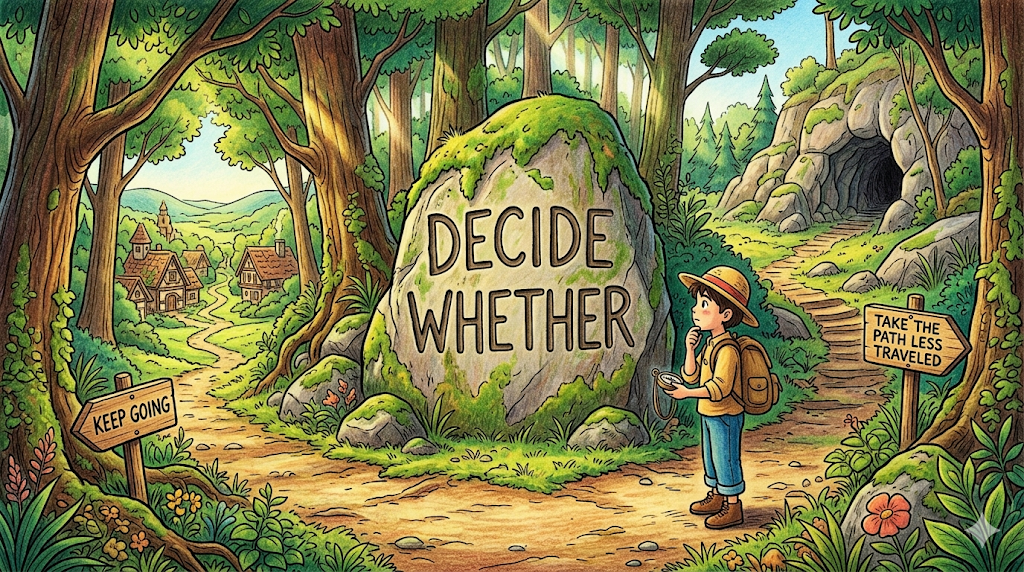
decide whether [dɪˈsaɪd ˈweðər]
(동사구) ~인지 결정하다, ~할지 말지 결정하다
두 가지 가능성 중에서 선택을 내리는 것을 강조합니다. 단순히 생각하는 것을 넘어 실제로 행동 방향을 정하는 것이라는 뉘앙스가 강합니다. 수능 독해 심리·사회·역사·교육 지문에서 자주 등장합니다.
- Young people often struggle to decide whether to pursue passion or practicality when choosing a career, and many later realise that the most satisfying paths find a way to combine both rather than treating them as opposites. (젊은이들은 종종 커리어를 선택할 때 열정을 추구할지 실용성을 추구할지 결정하는 데 어려움을 겪으며 많은 사람들이 나중에 가장 만족스러운 길이 둘을 반대로 대우하는 것이 아니라 결합하는 방법을 찾는다는 것을 깨닫는다.)
- A judge must decide whether the evidence presented in court is sufficient to establish guilt beyond reasonable doubt — a responsibility that requires careful reasoning rather than emotional reaction. (판사는 법정에서 제시된 증거가 합리적 의심을 넘어 유죄를 입증하기에 충분한지 결정해야 한다 — 감정적 반응이 아닌 신중한 추론을 필요로 하는 책임이다.)
- Societies regularly decide whether to prioritise individual freedom or collective welfare in their laws and policies, and the balance they strike reflects their values and the historical experiences that have shaped their institutions. (사회들은 법률과 정책에서 개인의 자유와 집단적 복지 중 어느 것을 우선시할지 정기적으로 결정하며 그들이 이루는 균형은 가치관과 제도를 형성한 역사적 경험을 반영한다.)
숙어 그룹 묶음 1 — 결정과 판단 whether 핵심 패턴
표현 의미 핵심 뉘앙스 주요 맥락
| decide whether | ~할지 결정하다 | 두 가능성 중 실제 선택을 내리는 것 | 심리·사회·역사·교육 |
| wonder whether | ~인지 궁금하다 | 확신 없이 내적으로 질문하는 상태 | 심리·문학·사회·역사 |
| question whether | ~인지 의문을 제기하다 | 기존 믿음에 대한 비판적 도전 | 과학·사회·역사·교육 |
이 세 표현은 모두 whether의 "불확실한 두 가능성 중 어느 것인지 판단하려는" 이미지를 공유하되, 각각 실제 선택을 내리는 단계(decide whether)·아직 판단하지 못한 내적 궁금증(wonder whether)·기존 믿음에 도전하는 비판적 의문(question whether)의 관점에서 접근합니다.
- Scientists first wonder whether a new treatment will work, then carefully question whether the existing evidence is reliable enough to draw conclusions, and finally decide whether to proceed with further testing based on what the data shows. (과학자들은 먼저 새 치료법이 효과가 있을지 궁금해하고 이어서 기존 증거가 결론을 도출하기에 충분히 신뢰할 수 있는지 신중하게 의문을 제기하며 마지막으로 데이터가 보여주는 것을 바탕으로 추가 테스트를 진행할지 결정한다.)
- She began by wondering whether her research question was the right one, then moved to questioning whether the methods she had used were appropriate, and finally had to decide whether to publish her findings despite the limitations she had identified. (그녀는 자신의 연구 질문이 옳은 것인지 궁금해하는 것으로 시작하여 자신이 사용한 방법이 적절한지 의문을 제기하는 것으로 넘어갔으며 마지막으로 식별한 한계에도 불구하고 발견을 발표할지 결정해야 했다.)
- Good critical thinking requires the ability to wonder whether things are as they appear, to question whether accepted explanations are complete, and ultimately to decide whether the evidence supports one position more strongly than another. (좋은 비판적 사고는 것들이 보이는 그대로인지 궁금해하고 받아들여진 설명이 완전한지 의문을 제기하며 궁극적으로 증거가 한 입장을 다른 것보다 더 강하게 지지하는지 결정하는 능력을 필요로 한다.)
숙어 그룹 묶음 2 — 조건과 의존 whether 패턴
표현 의미 핵심 뉘앙스 주요 맥락
| it depends on whether | ~인지에 달려있다 | 결과가 특정 조건에 의존하는 복잡성 | 과학·사회·경제·심리 |
| regardless of whether | ~에 상관없이 | 조건에 관계없이 일관되게 적용되는 원칙 | 사회·역사·교육·심리 |
| uncertain whether | ~인지 불확실한 | 판단을 보류하는 지적 겸손 | 과학·역사·심리·사회 |
이 세 표현은 모두 whether의 "조건과 불확실성의 관계"의 이미지를 공유하되, 각각 결과가 조건에 의존한다는 것(it depends on whether)·어떤 조건에도 일관되게 적용된다는 것(regardless of whether)·조건을 아직 판단할 수 없다는 것(uncertain whether)의 관점에서 접근합니다.
- Regardless of whether a student comes from a wealthy or poor background, their success depends on whether they have access to the kind of support and encouragement that builds confidence — and whether that support is available often remains uncertain in many school systems. (학생이 부유한 배경이든 가난한 배경이든 상관없이 그들의 성공은 자신감을 키우는 종류의 지원과 격려를 받을 수 있는지에 달려있다 — 그리고 그 지원이 이용 가능한지는 많은 교육 시스템에서 종종 불확실하게 남아 있다.)
- Scientists proceed with their work regardless of whether they are personally comfortable with what the evidence suggests, even when the results are uncertain whether they will be fully understood for years — because what matters is not the researcher's preference but what the data actually shows, and how long it takes to depend on whether the questions being asked have answers that current tools can detect. (과학자들은 증거가 시사하는 것에 개인적으로 편안하든 아니든 상관없이 작업을 진행하며 결과가 수년간 완전히 이해될지 불확실하더라도 — 중요한 것은 연구자의 선호가 아니라 데이터가 실제로 보여주는 것이기 때문이다 — 얼마나 걸리는지는 묻고 있는 질문들이 현재 도구가 감지할 수 있는 답을 가지고 있는지에 달려있다.)
- The principle that all people deserve fair treatment applies regardless of whether they deserve it in someone's personal judgement, because fairness in a society must not depend on whether individuals meet standards that the powerful happen to approve of — though we remain uncertain whether any existing system has fully achieved this ideal. (모든 사람이 공정한 대우를 받을 자격이 있다는 원칙은 누군가의 개인적 판단에서 그들이 그것을 받을 자격이 있든 아니든 상관없이 적용되는데 사회의 공정성이 강력한 사람들이 우연히 승인하는 기준을 개인들이 충족하는지에 달려서는 안 되기 때문이다 — 비록 우리는 어떤 기존 시스템이 이 이상을 완전히 달성했는지 불확실하게 남아 있지만.)
숙어 그룹 묶음 3 — 논쟁과 포함 whether 심화 패턴
표현 의미 핵심 뉘앙스 주요 맥락
| whether A or B | A이든 B이든 | 두 가능성 모두를 아우르는 포괄적 표현 | 모든 지문 |
| debate whether | ~인지 토론하다 | 집단적·공식적 논쟁을 통한 탐구 | 역사·사회·과학·교육 |
| whether or not | ~이든 아니든 | 조건에 관계없이 결과가 같다는 강조 | 사회·심리·역사·교육 |
이 세 표현은 모두 whether의 "두 가능성을 모두 다루는" 이미지를 공유하되, 각각 두 가능성 모두를 포함하는 것(whether A or B)·두 가능성을 집단적으로 탐구하는 것(debate whether)·두 가능성에 관계없이 결과가 같다는 것(whether or not)의 관점에서 접근합니다.
- Whether we look at historical data or recent trends, the evidence seems consistent — and scholars continue to debate whether this pattern is truly universal or only appears so because of how we have collected the data — but the policy must be applied whether or not the final answer has been reached. (역사적 데이터를 보든 최근 추세를 보든 증거는 일관된 것처럼 보인다 — 그리고 학자들은 이 패턴이 진정으로 보편적인지 아니면 우리가 데이터를 수집한 방식 때문에 그렇게 보이는 것인지 계속 논쟁한다 — 하지만 정책은 최종 답이 도달됐든 아니든 상관없이 적용돼야 한다.)
- Scientists debate whether the discovery is genuinely new or simply a rediscovery of something previously known, and the discussion matters whether or not it changes the practical applications immediately. (과학자들은 발견이 진정으로 새로운 것인지 아니면 단순히 이전에 알려진 것의 재발견인지 논쟁하며 그 논의는 즉시 실용적 응용을 바꾸든 아니든 상관없이 중요하다.)
- The ethical principle that individuals should be treated with respect whether they are right or wrong in a particular situation has been debated whether it applies in extreme cases — but its advocates argue it must hold whether or not we agree with what the person has done. (개인이 특정 상황에서 옳든 그르든 존중으로 대해져야 한다는 윤리 원칙은 극단적인 경우에도 적용되는지 논쟁됐지만 — 그 옹호자들은 우리가 그 사람이 한 일에 동의하든 아니든 상관없이 유지돼야 한다고 주장한다.)
숙어 그룹 묶음 4 — 선택과 행동 whether 심화 패턴
표현 의미 핵심 뉘앙스 주요 맥락
| whether to | ~할지 말지 | 행동 선택의 실제적 딜레마 | 심리·사회·교육·역사 |
| decide whether | ~할지 결정하다 | 두 가능성 중 실제 선택을 내리는 것 | 심리·사회·역사·교육 |
| wonder whether | ~인지 궁금하다 | 확신 없이 내적으로 질문하는 상태 | 심리·문학·사회·역사 |
이 세 표현은 함께 whether가 담고 있는 "선택과 행동에서의 불확실성"의 흐름을 보여줍니다. wonder whether → 먼저 내적으로 궁금해하는 것, whether to → 구체적인 행동 선택의 딜레마에 직면하는 것, decide whether → 마침내 선택을 내리는 것으로 연결됩니다.
- She first began to wonder whether she was in the right career, then spent months agonising about whether to leave or stay, and finally had to decide whether the discomfort of change was smaller than the discomfort of staying exactly where she was. (그녀는 먼저 자신이 올바른 커리어에 있는지 궁금해지기 시작했다가 몇 달 동안 떠날지 말지 고민하면서 마침내 변화의 불편함이 정확히 현재 위치에 있는 불편함보다 작은지 결정해야 했다.)
- People often wonder whether they are making the right choices for their children, struggle with whether to intervene in their difficulties or let them find their own solutions, and regularly have to decide whether their instinct as a parent or the advice of experts should take priority. (사람들은 종종 자녀를 위해 올바른 선택을 하고 있는지 궁금해하며 어려움에 개입할지 말지 아니면 스스로 해결책을 찾게 할지로 씨름하고 부모로서의 본능이나 전문가의 조언 중 어느 것을 우선시해야 하는지 정기적으로 결정해야 한다.)
- Historical figures wondered whether to act at moments of crisis, struggled with whether to take personal risk for a public cause, and ultimately had to decide whether the cost of inaction was greater than the cost of speaking or acting despite the dangers involved. (역사적 인물들은 위기의 순간에 행동할지 궁금해했으며 공공 목적을 위해 개인적 위험을 감수할지 말지 씨름했으며 궁극적으로 관련된 위험에도 불구하고 말하거나 행동하는 비용보다 행동하지 않는 비용이 더 큰지 결정해야 했다.)
전체 요약표
표현 의미 핵심 뉘앙스
| whether | ~인지 아닌지, ~이든 아니든 | 두 가지 가능성 중 어느 것인지 판단하지 못한 불확실성 |
| whether or not | ~이든 아니든 | 조건에 관계없이 결과가 같다는 강조 |
| whether to | ~할지 말지 | 행동 선택의 실제적 딜레마 |
| it depends on whether | ~인지에 달려있다 | 결과가 특정 조건에 의존하는 복잡성 |
| regardless of whether | ~에 상관없이 | 조건에 관계없이 일관되게 적용되는 원칙 |
| wonder whether | ~인지 궁금하다 | 확신 없이 내적으로 질문하는 상태 |
| debate whether | ~인지 토론하다 | 집단적·공식적 논쟁을 통한 탐구 |
| whether A or B | A이든 B이든 | 두 가능성 모두를 아우르는 포괄적 표현 |
| uncertain whether | ~인지 불확실한 | 판단을 보류하는 지적 겸손 |
| question whether | ~인지 의문을 제기하다 | 기존 믿음에 대한 비판적 도전 |
| decide whether | ~할지 결정하다 | 두 가능성 중 실제 선택을 내리는 것 |
유의어 비교표
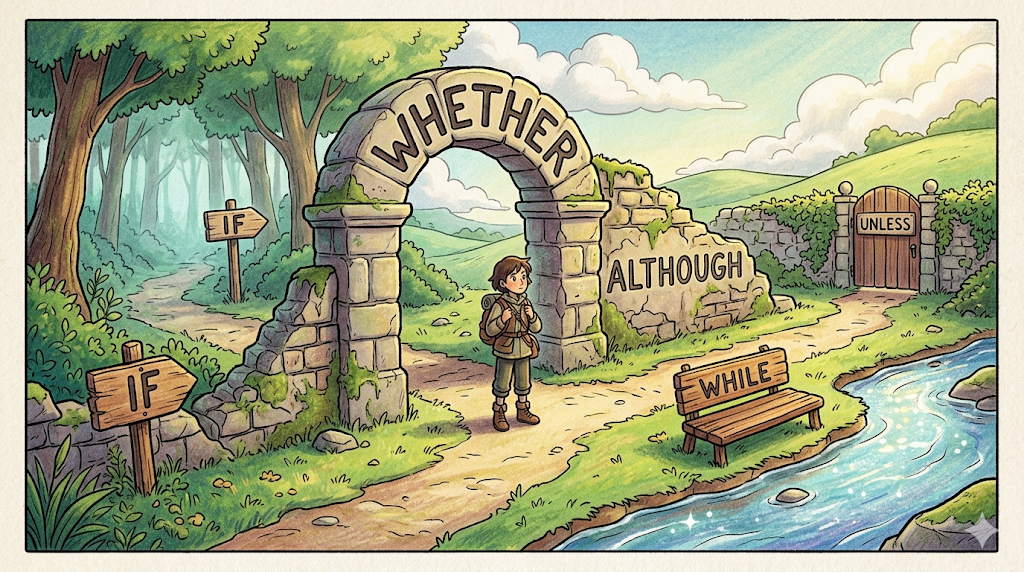
단어 공통점 뉘앙스 차이 예문
| whether | 불확실성·선택 | 양면의 가능성·선택·불확실성 강조 | I don't know whether he'll come. |
| if | 조건·가정 | 조건·가정·결과 강조 | If he comes, tell me. |
| although | 대조·인정 | 반대 사실 인정·대조 강조 | Although tired, she worked. |
| while | 동시·대조 | 동시 발생·대조 강조 | While she studied, he slept. |
| unless | 조건·예외 | 예외 조건·부정 가정 강조 | Unless he calls, we'll leave. |
결론 정리
whether는 단순히 "~인지"가 아니라, 두 가지 가능성 중 어느 것인지 결정하지 못한 불확실성과 선택의 양면성의 이미지에서 출발해 간접 의문문·조건의 무관계·선택의 불확실성·논쟁의 핵심까지 확장되는 단어다 — whether가 있는 곳엔 언제나 '단순한 의문이 아닌, 두 방향 중 어느 쪽이 옳은지 판단하지 못한 불확실성과 선택의 양면성'의 선언이 있다.
💡 whether는 "두 가지 가능성 중 어느 것인지 판단하지 못한 불확실성"의 언어 — whether or not·it depends on whether·regardless of whether·question whether·decide whether가 수능 최빈출.
🌟 초등학생 버전 whether는 "오늘 비가 올지 안 올지 모르겠어"처럼 두 가지 가능성 중 어느 것인지 확실하지 않을 때 쓰는 단어예요! whether or not은 "비가 오든 안 오든 상관없이 가겠어!"처럼 어떤 상황이든 결과가 같다는 뜻이고 decide whether는 "갈지 말지 결정해야 해"처럼 선택을 내려야 할 때 써요! 🤔✨


